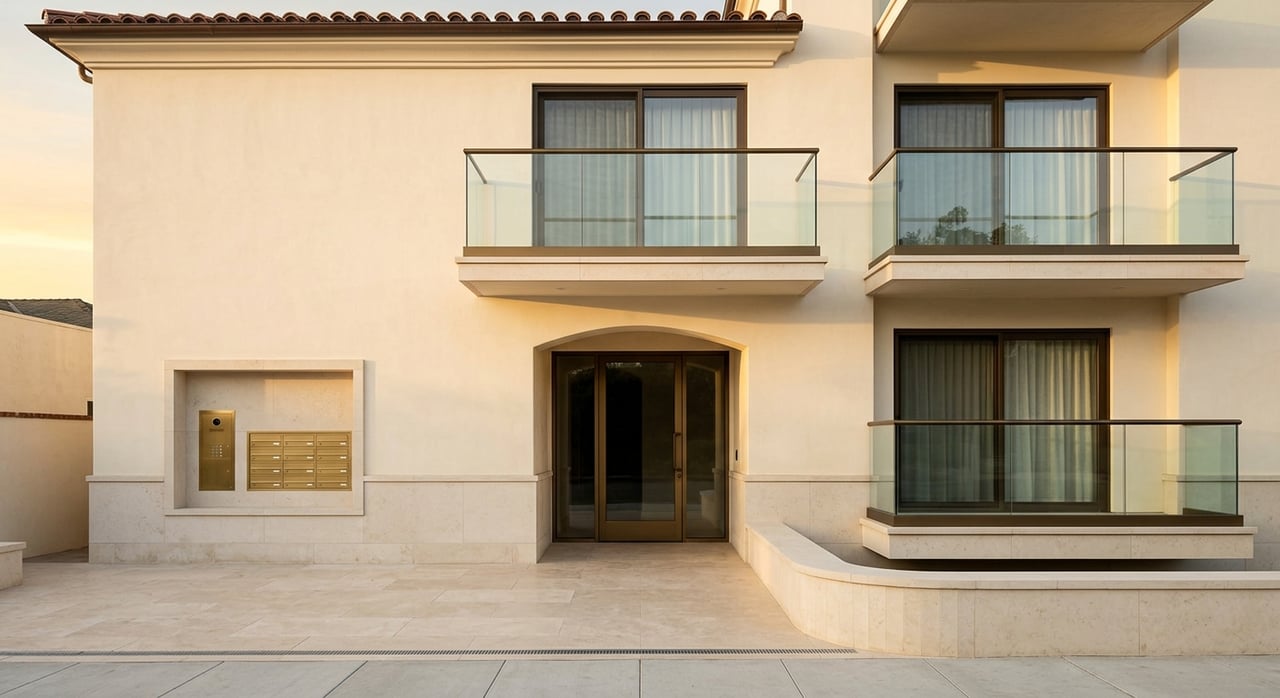
Strategic Exit Planning For Brentwood Multifamily Owners
July 9, 2026
July 9, 2026
If you own a multifamily property in Brentwood, timing your exit is no longer just about listing into a strong market. In 2026, the better question is how to protect your net proceeds, avoid compliance surprises, and present your building in a way that gives buyers confidence. With Westside demand still active but more selective, a smart exit plan can help you sell with fewer delays and stronger negotiating leverage. Let’s dive in.
Brentwood remains one of the more desirable multifamily pockets on the Westside, but buyers are underwriting carefully. In Greater Los Angeles, Colliers reported Q1 2026 multifamily occupancy at 93.9%, average effective rent at $2,486 per unit, year-to-date sales volume at $481 million, and average price per unit at $398,469.
That broad market data matters, but Brentwood pricing can sit well above the regional average. Recent reported Brentwood sales included a 27-unit property at $18 million, or about $667,000 per unit, and two additional Westside multifamily sales totaling 61 units and $46.35 million, with values around $760,000 per unit. Those numbers support a premium market, but they also show that buyers are paying up for the right story, not for uncertainty.
CBRE also reported average monthly rent of $3,681 in the Brentwood, Westwood, and Beverly Hills submarket with a 5% vacancy rate. That combination points to durable rental demand, though operators are still prioritizing occupancy over aggressive rent growth. For you as a seller, that means clean operations and believable numbers often matter more than a speculative upside pitch.
Before you think about photos, tours, or pricing guidance, start with your net sheet. In Los Angeles, transfer taxes can materially change the outcome of a sale, especially in Brentwood where many multifamily assets trade above key thresholds.
According to the Los Angeles Office of Finance, for closings after June 30, 2026, the base transfer tax is 0.45%. Measure ULA adds 4% on conveyances over $5.4 million up to $10.9 million, and 5.5% at $10.9 million or more. The city also states that ULA is calculated on gross value, including assumed debt.
That means your top-line sale price is only part of the story. If your property is likely to trade above $5.4 million, your exit planning should include a realistic estimate of transfer-tax impact early, not after you accept an offer.
For some owners, the right answer is to sell quickly into current demand. For others, it may be worth spending time to improve presentation, tighten records, and position the asset more precisely.
In Los Angeles, multifamily exit planning should begin with compliance review. A buyer may forgive dated finishes more easily than unclear tenant protections, missing registration records, or a vacancy plan that does not align with city and state rules.
LAHD states that properties built on or before October 1, 1978 are generally covered by the City of Los Angeles Rent Stabilization Ordinance, or RSO. LAHD also states that the Just Cause Ordinance, or JCO, covers most other residential properties in the city once the tenancy reaches six months or the original lease expires.
On top of city rules, California's AB 1482 adds statewide rent cap and just-cause protections for many residential units. The California Attorney General states that rent increases are capped at 5% plus CPI or 10%, whichever is lower, and that just-cause protections generally begin after 12 months.
These rules affect how a buyer views your property on day one. They shape underwriting, future rent strategy, turnover assumptions, and the risk tied to any planned unit repositioning.
If your marketing package suggests upside through tenant turnover, renovations, or vacancy creation, buyers will want to see that the path is legally supportable. If the compliance picture is incomplete, that can lead to retrades, longer escrow periods, or lost offers.
One of the biggest errors in multifamily exit planning is assuming cosmetic work or informal tenant conversations can create a cleaner sale story. In Los Angeles, that approach can create real risk.
The California Attorney General states that cosmetic renovations do not count as a substantial remodel under AB 1482. That is an important distinction if you are considering pre-sale turnover as part of your strategy.
If you are thinking about buyouts, LAHD requires an RSO disclosure notice and a written buyout agreement. Tenants may rescind within 30 days, and the landlord must file the documents within 60 days.
LAHD also requires termination notices for RSO and JCO units to be filed within three business days. The city expects landlords to keep annual registration current and to display the registration certificate and renters' protections notices.
Instead of building your sale around uncertain vacancy assumptions, focus on:
This is often where a strategic advisor adds value. The goal is not to overcomplicate the sale. It is to remove avoidable friction before buyers find it.
In a selective market, paperwork is part of pricing. The easier you make it for a buyer to underwrite your Brentwood asset, the stronger your position can be during negotiations.
A solid seller package for a small- to mid-size multifamily property typically includes the rent roll, trailing 12-month financials, leases, arrears history, utility bills, service contracts, capital improvement and repair history, permits, registration records, and any buyout or eviction documentation. Missing items may seem administrative, but in this market they can become a pricing issue.
Buyers are not only asking whether the deal works. They are asking how much uncertainty they need to price in. Clean records can help reduce that uncertainty.
In Brentwood, presentation matters, even for multifamily. That does not mean over-improving every unit before sale. It means giving buyers a building that feels cared for, legible, and easy to assess.
The most defensible pre-sale improvements are usually presentation-first updates such as exterior paint, landscaping, lighting, entry refreshes, common-area cleanup, parking improvements, laundry-area updates, and deferred maintenance cleanup. These items support first impressions and reinforce the idea that the asset has been responsibly operated.
For a brand like Beverly Luxury Estates, this is where a concierge mindset becomes especially valuable. Thoughtful pre-marketing preparation can strengthen perceived quality, help photography and tours land better, and support your asking position without relying on risky assumptions.
A better sales strategy starts with the likely buyer pool. In 2026, private investors appear to be an important force in the market. CBRE reported that private investors were the biggest buyers nationally in Q1 2026.
For Brentwood multifamily, the probable buyer is often a well-capitalized private investor, 1031 exchange buyer, or owner-operator looking for stable Westside demand and manageable operational complexity. Value-add buyers are still active, but they want a clear story around current income, visible upside, and realistic capital needs.
If your buyer may be completing a 1031 exchange, timing can matter. IRS guidance states that in a deferred exchange, replacement property must be identified within 45 days and received within 180 days. While not every buyer is in an exchange, understanding that time pressure can help you interpret offer strength and negotiation posture.
A Brentwood asset should usually be framed around:
That framing tends to resonate more than an aggressive projection built on uncertain turnover or optimistic rent jumps.
It is easy to see a high-profile Brentwood sale and assume the same pricing logic applies to every property. In reality, location, tenant profile, presentation, paperwork quality, and operational clarity can all influence where your asset lands.
Use Brentwood and Westside comparables first, then check them against broader Greater Los Angeles averages. That helps you stay grounded in the local premium while still understanding the wider market context.
CBRE's outlook says cap rates are expected to remain broadly stable, and operators are prioritizing occupancy over rent growth. That suggests many buyers are still willing to transact, but they are less likely to stretch for deals with loose underwriting.
In practical terms, disciplined pricing can create stronger activity than aspirational pricing followed by repeated reductions. In a market like Brentwood, credibility can be a pricing tool.
If you want to maximize leverage and reduce surprises, sequence matters. Many owners think about pricing first, but the stronger path is usually to review compliance, calculate net proceeds, organize records, improve presentation, and then go to market with a sharper story.
That process helps you move from reactive selling to strategic selling. In a selective market, that difference can show up in both price and execution.
If you are considering a sale in Brentwood, a tailored plan can help you protect value, reduce friction, and position your property for a cleaner outcome. For discreet guidance on pricing, preparation, and multifamily disposition strategy across the Westside, connect with Farhad Yasharpour.
Stay up to date on the latest real estate trends.


Get assistance in determining current property value, crafting a competitive offer, writing and negotiating a contract, and much more. Call me today to schedule a private showing
15910 Ventura Blvd Ste 101 Encino, CA 91436