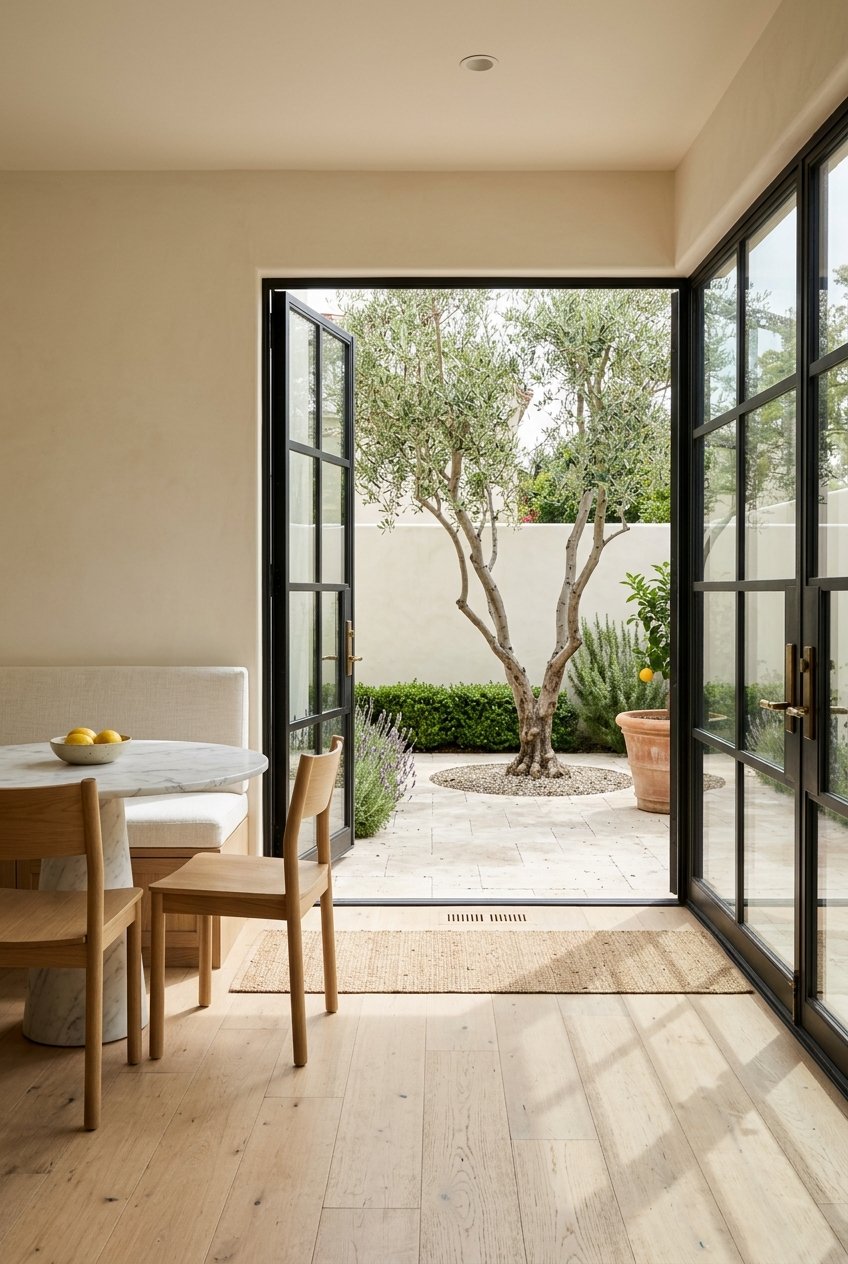
What Living in Beverly Hills Is Really Like
June 11, 2026
June 11, 2026
If you only know Beverly Hills by its headlines and postcards, you might assume daily life here is all glamour and spectacle. The reality is far more grounded, and for many people, more appealing. Beverly Hills functions as a compact, full-service city where parks, errands, library visits, dining, and weekend routines often happen close to home. Let’s take a closer look at what everyday living in Beverly Hills actually feels like.
Beverly Hills covers just 5.7 square miles and has about 35,000 residents. The city describes itself as a full-service municipality, with police, fire, infrastructure, recreation, shopping, dining, and cultural amenities all woven into daily life.
That matters because life here is often more local than outsiders expect. Instead of crossing a vast city for every plan or errand, many activities are concentrated in a relatively compact area. In practical terms, that can make day-to-day living feel more organized and more manageable.
One of the biggest myths about Beverly Hills is that it is either fully walkable or not walkable at all. In practice, the better answer is somewhere in the middle. The strongest walkable pockets are centered around the Business Triangle and nearby retail streets.
The city describes the Business Triangle as one of the most pedestrian-friendly areas in the region. It also notes that some of the first diagonal crosswalks in the United States were installed here, which reflects a long-standing focus on making movement through the commercial core easier on foot.
That does not mean every part of Beverly Hills works the same way. A more accurate picture is a city with concentrated car-light zones, supported by clustered shopping, dining, parking facilities, and civic destinations. If you value being able to park once and enjoy several stops in one outing, Beverly Hills offers that in a way many larger areas do not.
Beverly Hills has a polished image, but its park system shows a more lived-in side of the city. These are not just scenic backdrops. They are places where people walk, exercise, gather, and spend time outdoors as part of regular routines.
Beverly Gardens Park stretches 23 blocks, or 1.9 miles, and includes some of the city’s best-known landmarks. Along the way, you will find the Beverly Hills sign, lily pond, cactus garden, Electric Fountain, Doheny Fountain, and Alta Arden Pergola Garden.
For residents, that makes the park more than a photo spot. It is a long, recognizable green corridor that helps connect the city visually and functionally. It also adds an everyday option for walking and enjoying open space without leaving Beverly Hills.
Roxbury Memorial Park offers more than 11 acres of green space with picnicking, lawn bowling, basketball, sand volleyball, baseball, and soccer. It reads as the kind of place you can return to regularly, not just somewhere you visit on occasion.
Coldwater Canyon Park adds another easygoing outdoor option, with a landscaped setting, synthetic jogging track, shade trellises, a fountain, public art, and a playground. The park is open from sunrise to sunset, which supports the kind of simple daily use that shapes a neighborhood lifestyle.
La Cienega Park is one of the city’s main active-recreation spaces. It includes three baseball diamonds, a perimeter jogging track, outdoor exercise equipment, playgrounds, and community-center programming for youth, adults, and seniors.
Beverly Cañon Gardens shows how Beverly Hills blends outdoor space with commercial life. With landscaped gardens, water features, outdoor dining areas, and colonnaded walkways connecting Beverly and Cañon Drives, it creates a calm transition between errands, meals, and time outside.
That mix is part of what makes the city feel more balanced than its stereotype suggests. Even in the retail core, there are places designed for pause, not just consumption.
A common assumption is that Beverly Hills revolves entirely around luxury retail. While shopping is certainly part of the city’s identity, official city resources point to a broader civic rhythm that includes recreation, cultural programming, and library services.
The Recreation and Parks Division offers year-round recreational, enrichment, and cultural classes and events. That steady programming helps shape the city as a lived-in community, not simply a destination.
The Beverly Hills Public Library adds another important layer to everyday life. The city says the main library averages more than 51,000 visits per month, and neighborhood access is also available through the Roxbury Book Nook.
Those details matter because they reveal how people actually use the city. Daily life is not only about where visitors shop. It is also about where residents read, attend programs, meet neighbors, and build routines.
One of the most practical advantages of Beverly Hills is how much of its shopping and dining is clustered. Official destination materials identify Rodeo Drive, Beverly Drive, Cañon Drive, Brighton Way, and the Wilshire Boulevard corridor as key retail areas within the Golden Triangle.
That concentration can make a noticeable difference in your week. Instead of planning a scattered route across multiple districts, you can often group several stops into one short outing. For busy professionals, families, and anyone who values efficiency, that can be a meaningful lifestyle benefit.
Dining also follows a clear pattern. City-affiliated tourism materials describe Little Restaurant Row on Cañon Drive and Restaurant Row on La Cienega Boulevard as major dining destinations.
The city also allows open-air dining by permit for restaurants and cafes, which supports the kind of outdoor, street-facing experience many people associate with Beverly Hills. The result is a dining scene that feels organized around a few known corridors rather than scattered unpredictably.
This helps shape everyday life in subtle ways. Meeting for coffee, lunch, or dinner often becomes easier when the options are concentrated and familiar.
If you want one detail that best captures ordinary life in Beverly Hills, it may be the farmers market. The Beverly Hills Farmers’ Market runs every Sunday from 8 a.m. to 1 p.m., rain or shine, and offers California-grown produce, breads, specialty items, and more.
The city also notes free two-hour parking in the Civic Center garage for the market. That practical detail reinforces a broader truth about Beverly Hills. Even in a globally recognized zip code, some of the most appealing routines are simple, local, and easy to repeat.
A Sunday market trip can become part of a larger outing. You might pick up produce, take a short walk, stop for a meal, and spend time in one of the nearby civic or garden spaces without needing to leave the city.
Beverly Hills is not best described as car-free. Still, it does offer some unusually convenient car-light pockets, especially in and around the central commercial areas.
The city operates 19 city-owned parking facilities, which supports short visits and grouped errands. It also offers free weekend trolley service between Civic Center and Rodeo Drive on Saturdays and Sundays.
That trolley may sound like a small detail, but it helps illustrate how the city is set up for local movement. On a normal weekend, you can move between civic spaces and retail streets with less friction than many people would expect.
Another stereotype about Beverly Hills is that beauty here is limited to storefronts and private homes. In reality, the city’s destination materials point to nearly 100 pieces of sculptural public art, and official visitor information includes walking tours of historic properties and public art.
That gives everyday outings a little more texture. A walk to lunch or a stop after errands can include something visually interesting and distinctly local. It is another reminder that Beverly Hills is designed to be experienced, not just observed from a distance.
For many people, the clearest way to understand a place is to imagine an ordinary weekend. In Beverly Hills, that picture is often more relaxed and civic-minded than the stereotype suggests.
A typical weekend might include:
That kind of day is notable because it blends practical errands with leisure. Beverly Hills supports that mix especially well because its amenities are clustered rather than widely dispersed.
If you are exploring Beverly Hills as a place to live, it helps to look past its public image and focus on how the city actually functions. What stands out is not only prestige, but also structure. The city’s parks, gardens, library services, recreation programs, dining corridors, market, parking system, and pedestrian-friendly core all point to a place built for regular use.
For buyers, that means the lifestyle conversation should go beyond a famous address. You may be choosing access to a compact city where daily routines can feel polished, convenient, and surprisingly grounded.
For sellers, this is also an important story to tell. Buyers are not only purchasing a home here. They are often buying into a rhythm of life that blends beauty, civic amenities, walkable pockets, and everyday ease.
When Beverly Hills is framed accurately, it comes into focus as more than a symbol. It reads as a lived-in city with real routines, practical convenience, and a steady community layer beneath the glamour.
If you are considering a move, preparing to sell, or simply want a more informed perspective on Beverly Hills living, Farhad Yasharpour offers discreet, high-touch guidance tailored to this market.
Stay up to date on the latest real estate trends.


Get assistance in determining current property value, crafting a competitive offer, writing and negotiating a contract, and much more. Call me today to schedule a private showing
15910 Ventura Blvd Ste 101 Encino, CA 91436