Your first impression happens online. In Beverly Hills, buyers judge a property’s lifestyle and quality in seconds as they scroll through photos and videos. If your home does not present a turnkey story, you risk being passed over by the most qualified buyers. In this guide, you will see how a strategic, concierge staging plan can elevate your listing’s appeal, shorten time to a strong offer, and protect your pricing power. Let’s dive in.
Why staging matters in Beverly Hills
Beverly Hills is a unique luxury market with properties that are often one of a kind. Buyers range from domestic ultra-high-net-worth individuals to international investors. They look for privacy, architectural pedigree, views, and refined amenities. A home that clearly communicates lifestyle will stand out.
Inventory is limited and varied, so visual storytelling is essential. High-impact staging, photography, and video help buyers grasp value quickly. In this segment, first impressions during broker previews and public launch often set the tone for the entire campaign. Micro-markets like The Flats, the hills, and Trousdale Estates have different design expectations, so your staging plan should reflect the property’s location and architectural style.
Industry research consistently finds that staged homes tend to sell faster and can achieve higher prices compared with unstaged listings. Reported uplifts range from single-digit improvements to double-digit premiums in some cases, depending on the home’s condition and the quality of the staging. In a luxury context, the key metric is often speed to the first qualified offer and fewer price reductions.
What concierge staging includes
A concierge approach integrates design guidance, staging coordination, and presentation-first preparation into one plan. The goal is to remove friction for you and align every choice with your pricing and marketing strategy.
Pre-list assessment and plan
- Conduct a property audit to identify high-impact repairs and cosmetic updates.
- Profile the likely buyer and set a clear style direction that supports the home’s architecture.
- Prioritize rooms that drive outcomes in luxury: entry, great room, kitchen, primary suite and bath, outdoor view areas, and entertainment spaces.
Styling and physical staging
- Select furniture that matches the scale of the home. Oversized rooms often require custom-sized pieces to show proper proportion and flow.
- Use curated art, rugs, and soft goods to convey finish level. Neutral palettes with a few signature pieces appeal to a wider buyer pool.
- Layer lighting for effect. Proper ambient, task, and accent lighting paired with twilight photography creates warmth and depth.
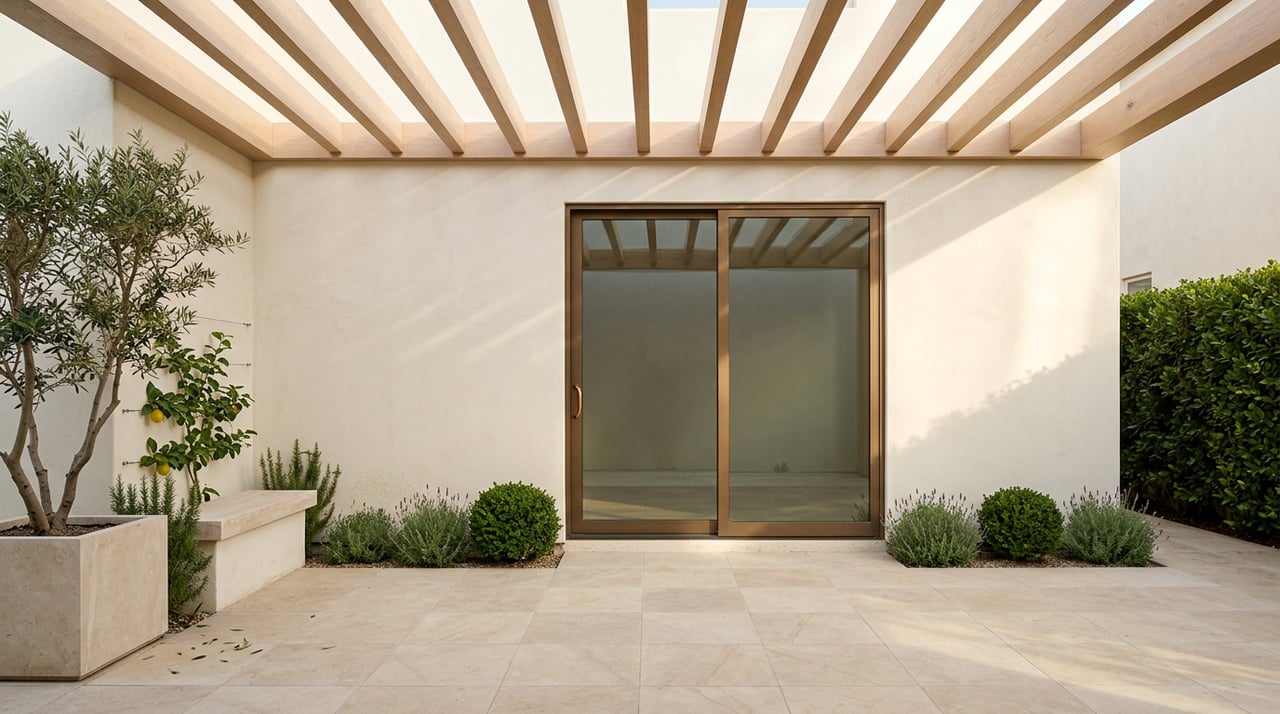
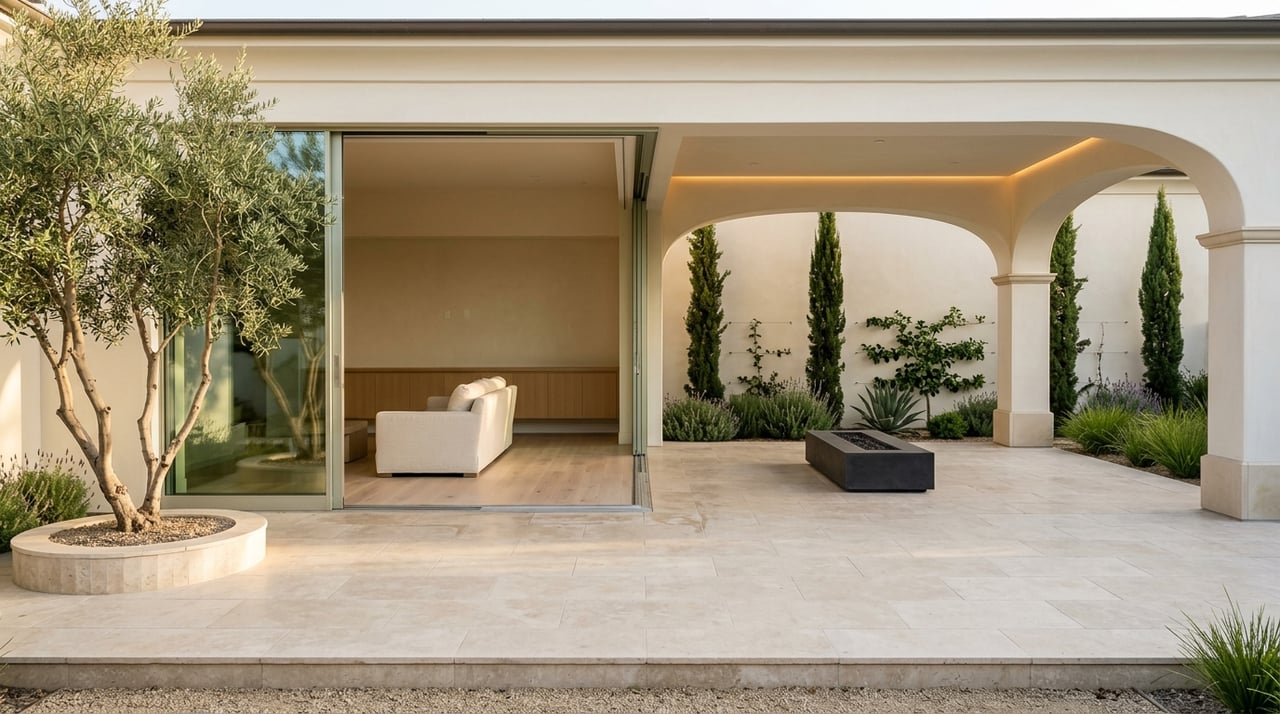
- Stage outdoor living. In Beverly Hills, alfresco dining, poolside lounges, and lit pathways reinforce lifestyle and sunset views.
Targeted cosmetic updates
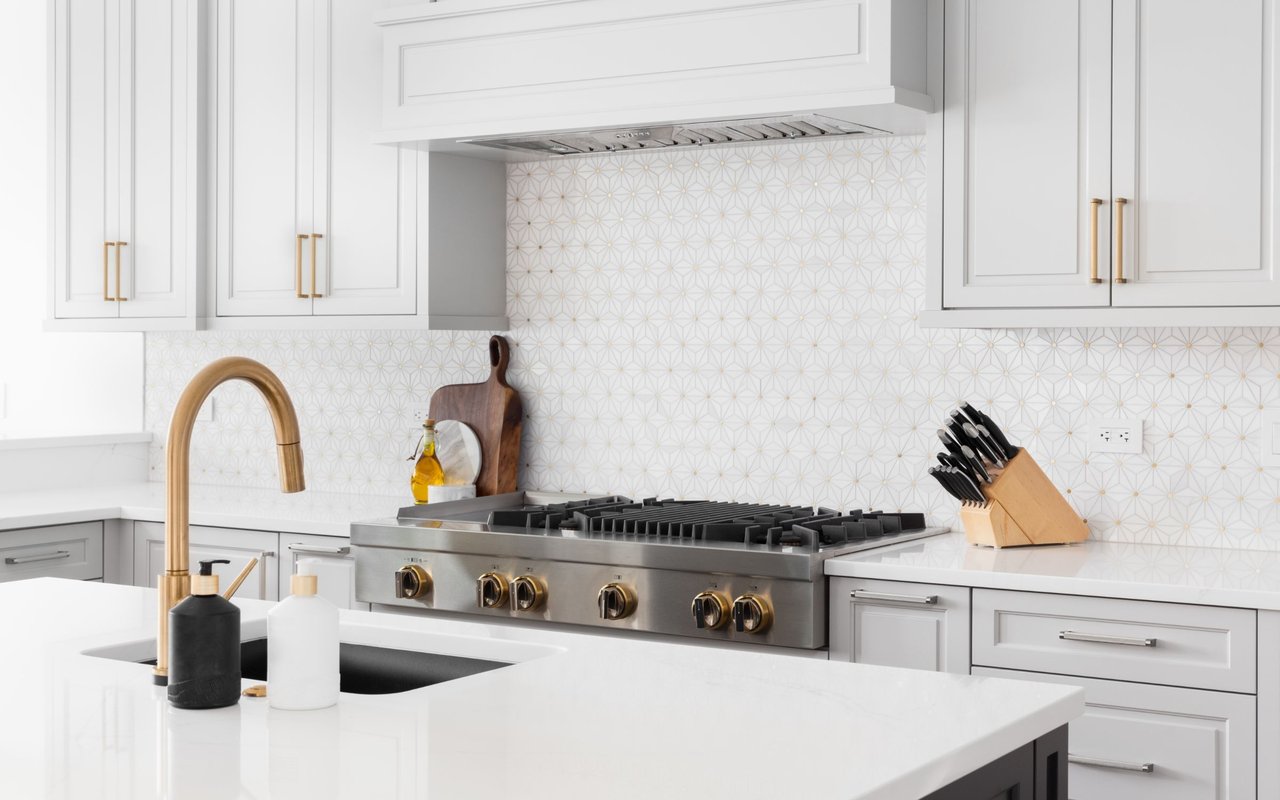
- Quick, high-impact changes include paint, hardware swaps, cabinet refacing, deep cleaning, and exterior window washing.
- Where justified, consider a kitchen countertop refresh, a primary bath update, and landscape improvements.
- Balance any larger projects against expected return and timeline. In some cases, pricing for “as-is” can be more strategic.
Visual marketing that multiplies results
- Commission high-resolution photography, including aerials and twilight exteriors.
- Produce a cinematic tour and short-form video cutdowns for digital channels.
- Deliver a polished broker preview with curated materials for top agents and qualified buyers.
- For sellers who value discretion, a private or off-market approach can still benefit from full staging to win serious buyers during confidential showings.
Logistics, insurance and timing
- Plan furniture delivery, placement, and removal with clear rental periods and insurance coverage.
- Coordinate all work streams so photography captures the home at its best.
- If using virtual staging for secondary spaces, disclose accordingly and follow local MLS rules.
Feedback and fine-tuning
- Track showing feedback, online engagement, and offer activity in the first one to three weeks.
- Adjust staging accents, lighting, or room uses if buyers are missing key features.
- Align any changes with pricing strategy and marketing channels.
Tailor staging to property type
Contemporary architectural homes
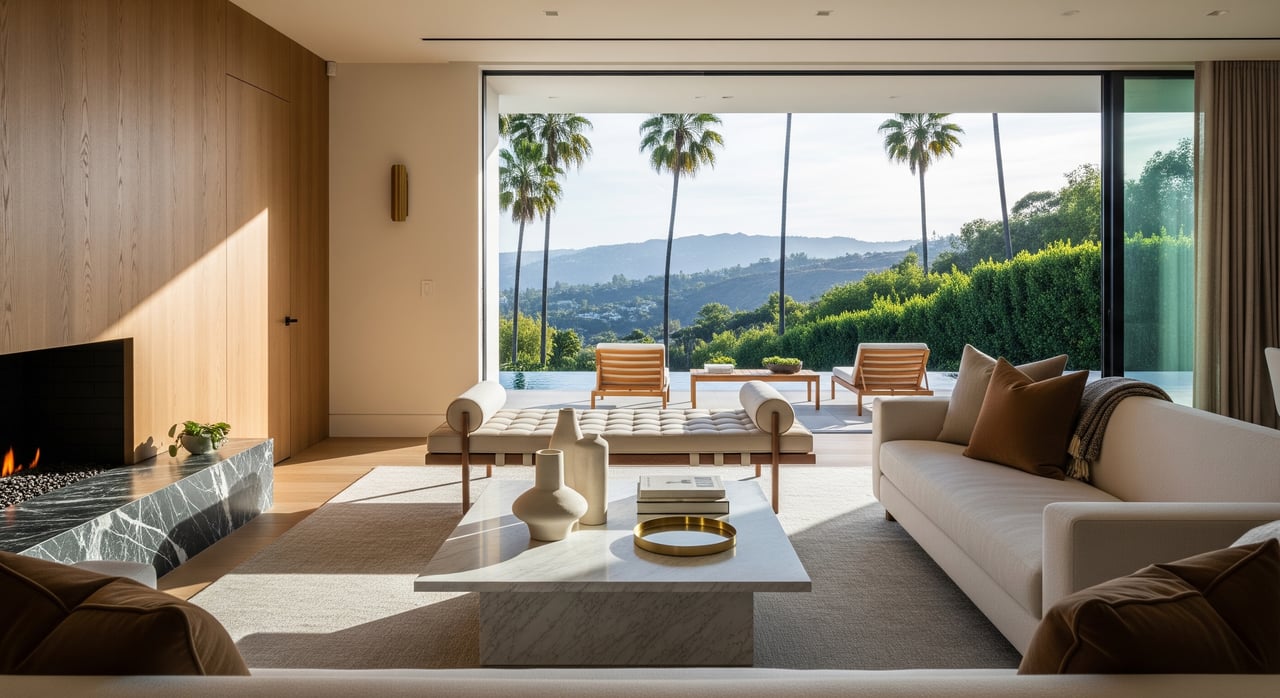
Favor a gallery-like approach with minimal, high-quality pieces. Emphasize sight lines, volume, materials, and indoor-outdoor flow. Keep window treatments subtle to showcase views.
Traditional estates
Use warm textures and classic furnishings that complement the architecture. Curated art and layered lighting can underline provenance and craftsmanship without feeling busy.
View and outdoor living homes
Clear sight lines to view corridors. Stage multiple outdoor “rooms” for dining, lounging, and conversation. Include evening lighting to showcase lifestyle at sunset.
Costs, timing and ROI
Typical cost ranges
Staging costs vary with the scope and inventory required. Partial staging for luxury properties can start in the low five figures across rental and installation. Full-home staging for large estates can reach into the tens of thousands per month, plus installation and removal. Visual media and marketing assets are separate line items. In the context of multi-million-dollar listings, these costs are typically a small percentage of list price.
Timelines that protect momentum
Plan two to six weeks for a standard staging installation and light updates. Larger renovations require longer. Aim to complete all visuals before going live to maximize first-week exposure. Most sellers keep staging in place through the active marketing period and remove it after contract, depending on timing and contingencies.
How to measure ROI
Track key indicators that reflect market response:
- Time to first qualified offer and days on market.
- Sale-to-list price ratio and any price reductions.
- Quality and volume of showings and broker interest in the opening weeks.
- Online engagement such as listing views and video plays.
Compare outcomes to nearby comps and consider the home’s original condition. While it is difficult to isolate staging from pricing and market movement, pre/post comparisons and agent judgment provide practical guidance.
When staging has limited impact
If a buyer values the lot or redevelopment potential more than interiors, staging may matter less. Major systems issues also need to be addressed directly. Over-staging that clashes with architecture, or staging that blocks key features, can be counterproductive.
Pre-list checklist for Beverly Hills sellers
- Engage a luxury staging professional and a listing advisor with Beverly Hills expertise early.
- Prioritize repairs: safety and systems first, then high-ROI cosmetics.
- Book photography and video, including drone and twilight, for immediately after installation.
- Prepare an inventory and insurance plan for staged items and your personal valuables.
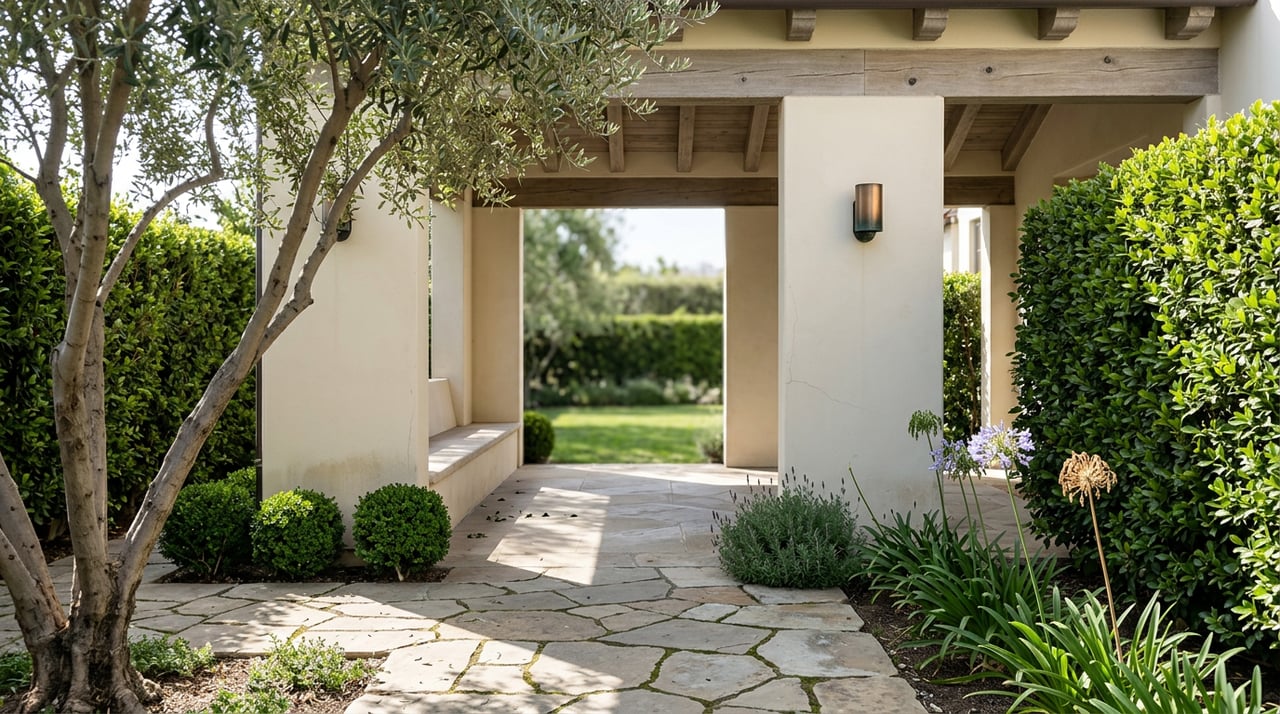
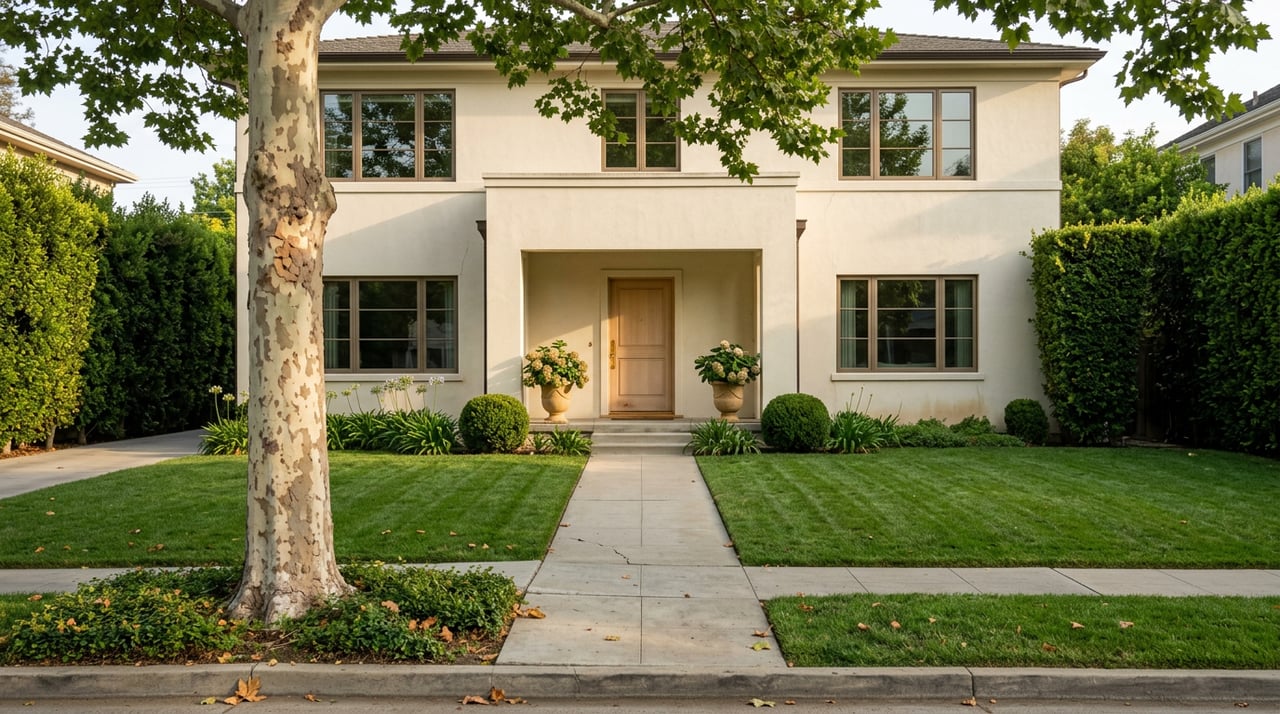
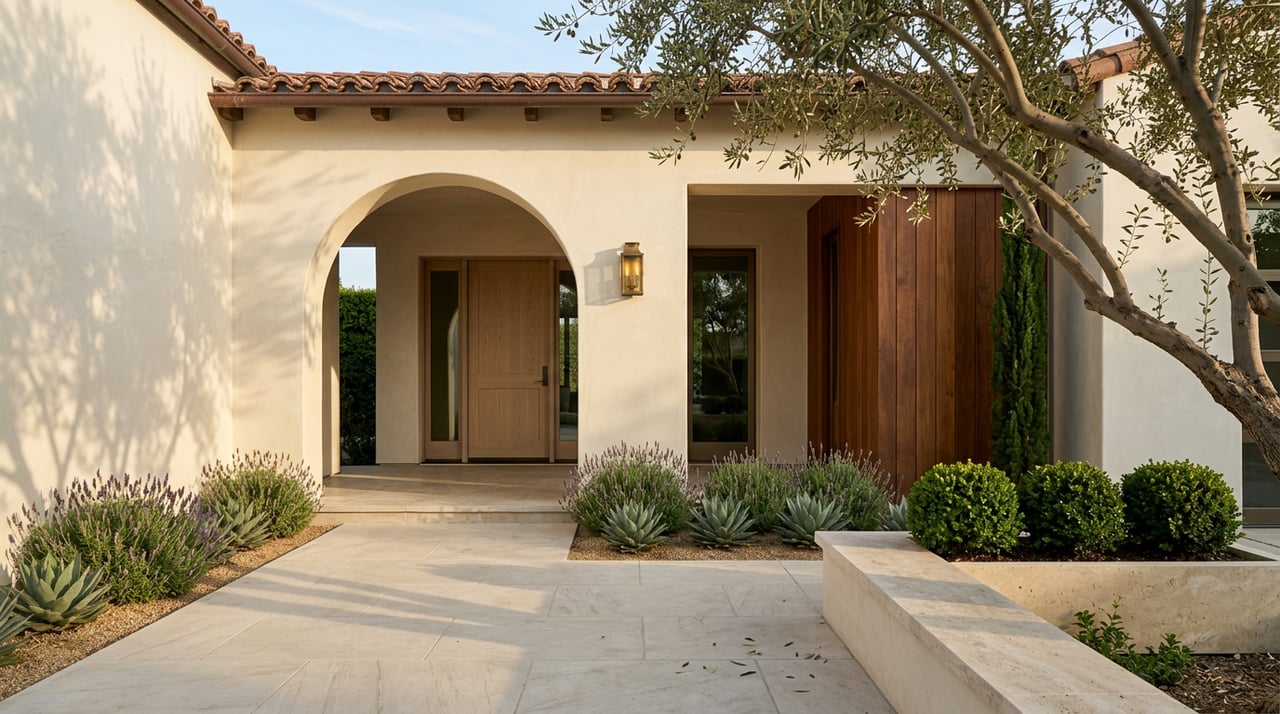
- Refresh landscaping, exterior lighting, and curb appeal before the first photos.
- Plan a broker preview with refined collateral targeted to high-net-worth networks.
- Schedule launch timing to capture the best natural light and buyer attention.
Work with a local concierge partner
A polished, project-managed approach helps you move from idea to market-ready with fewer decisions and better control. With Beverly Luxury Concierge, you receive integrated guidance on design, staging coordination, and presentation-first preparation aligned to the Beverly Hills buyer. The result is a listing that photographs beautifully, shows with confidence, and supports your pricing strategy.
If you are considering a sale this season, let’s discuss your goals, timing, and the right staging plan for your property. Connect with Farhad Yasharpour to Request an Instant Home Valuation or Schedule a Private Consultation.
FAQs
What is concierge staging for Beverly Hills sellers?
- It is an integrated, project-managed approach that aligns design guidance, staging coordination, and presentation-first preparation with your pricing and marketing plan.
Does staging really raise sale prices in luxury?
- Industry reports often show staged homes sell faster and can achieve higher prices, with outcomes ranging from single-digit to double-digit improvements depending on condition and execution.
How much does full-home staging typically cost?
- Partial luxury staging can start in the low five figures, while full-home staging for large estates can cost tens of thousands per month plus install and removal, with media and marketing as separate costs.
How long should I allow for staging and updates?
- Plan two to six weeks for staging and light cosmetic work before photography, then launch when all assets are ready to maximize first-week impact.
Is virtual staging enough for a high-end listing?
- Virtual staging can work for secondary rooms, but many luxury buyers expect real finishes during showings. Physical staging in key areas usually delivers the strongest impact.
Which rooms should I prioritize if budget is limited?
- Focus on the entry, great room, kitchen, primary suite and bath, and outdoor living areas that frame views and lifestyle.
How do I know if staging is working once we launch?
- Watch time to first qualified offer, showing quality, online engagement, and the need for price reductions. Adjust presentation or targeting based on early feedback.