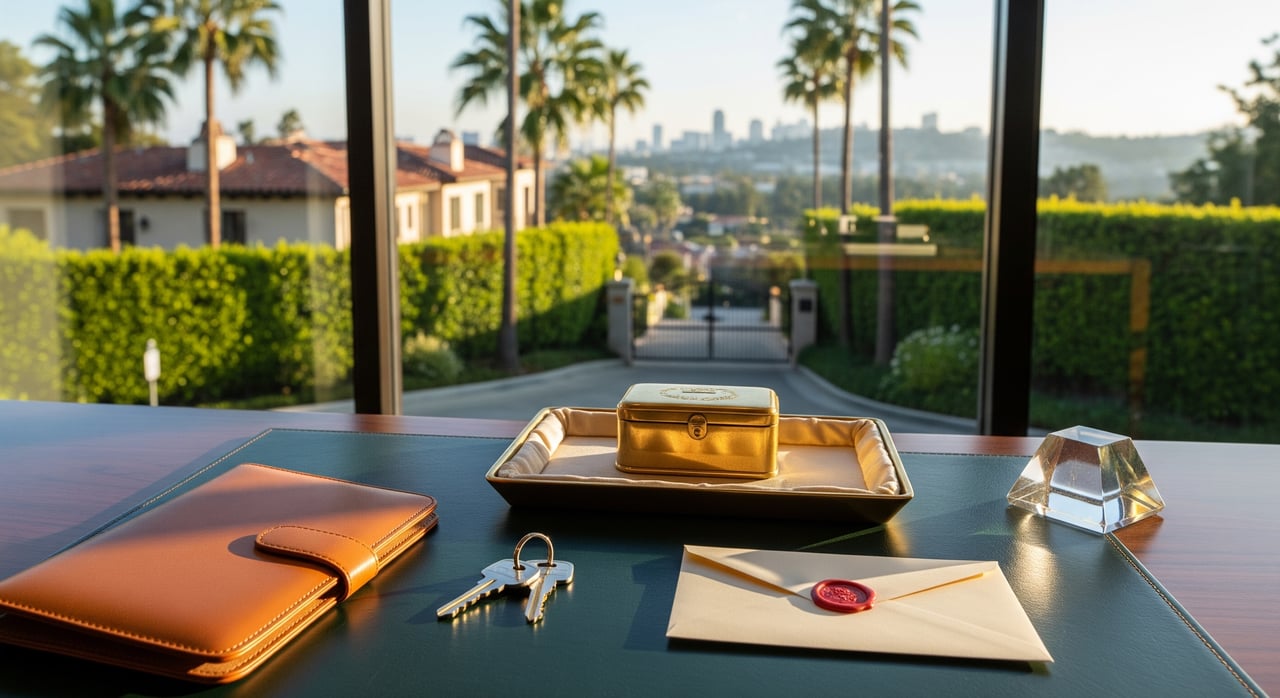
Understanding the Beverly Hills Escrow Process
December 4, 2025
December 4, 2025
Buying or selling in Beverly Hills comes with high stakes and many moving parts. If you are new to California or purchasing a luxury property for the first time, the escrow process can feel complex. You want a clear path from offer to keys without surprises. This guide walks you through how escrow works in Beverly Hills, what to expect on timelines and deposits, and how to protect your interests from start to finish. Let’s dive in.
Escrow is a neutral third party that holds funds and documents until both sides meet the terms of the purchase contract. The escrow holder follows written instructions from buyer and seller, then disburses funds and records the deed when conditions are satisfied. In Los Angeles County, many closings use title companies that also provide escrow services.
You and the other party can select the escrow holder by agreement. In practice, the listing side often recommends a local provider that understands Beverly Hills luxury closings and privacy needs. The key is neutrality and experience.
The typical parties include you (buyer or seller), the other party, both brokers, the escrow officer, a title company, and a lender if financing is involved. In high‑value transactions, attorneys, wealth managers, or family offices may also participate. The escrow officer coordinates funds, documents, payoff statements, and recording.
Beverly Hills transactions often involve larger deposits and more complex payoffs. You may be coordinating private banking lines, trusts, or multiple loans. A seasoned escrow officer helps manage secure wire protocols, privacy requests, and specialty documentation so your closing stays on track.
Most escrows run 30 to 60 days. Luxury or international deals often extend toward 45 to 60 days or more due to lender reviews, unique appraisals, or estate and trust documentation. Your exact timing is negotiated in the purchase agreement.
Contingency periods are negotiable, but many Beverly Hills contracts follow common practices you can use as a baseline:
These timelines are set in writing in your contract. Stick to them to keep your deposit protected.
Earnest money is your good‑faith deposit. It is wired to escrow and credited toward your purchase at closing. The amount is fully negotiable. In Beverly Hills luxury deals, deposits can be larger or structured in stages to strengthen an offer. Always confirm the exact amount and schedule in the contract.
If you cancel within an active contingency window according to your contract terms, your earnest money is generally refundable. Examples include cancelling during inspection or loan contingency periods. Escrow will follow your written instructions and the purchase agreement.
If you miss deadlines or default after removing contingencies, the seller may have remedies that can include keeping the deposit, depending on the contract. Escrow will not release funds without written instructions from both sides or a court order. Many disputes go to mediation or arbitration as outlined in the agreement.
Every property is different, but luxury transactions in Beverly Hills often include a thorough set of reviews. Common contingencies include general inspection, pest inspection, appraisal, loan, title review, HOA review for condos, and natural hazard disclosure acknowledgment. Survey or boundary checks and trust or estate verification can also apply.
Specialty inspections are common for high‑value estates. You may order pool and spa system reviews, security and automation evaluations, solar or generator checks, and moisture control assessments for wine rooms. Hillside properties may warrant geotechnical or seismic reviews and foundation or structural engineering reports, especially for older or architecturally unique homes.
Appraisals can be more challenging for trophy properties because comparable sales are limited and features are unique. Lenders may require specialized appraisers and additional time. Cash buyers often waive appraisal contingencies, but valuation still matters for future resale or financing plans.
Closing costs are negotiable and vary by deal. Buyers commonly pay lender fees if financed, owner’s title insurance in many cases, portions of escrow fees, recording fees, and prorations like property taxes and HOA dues. Sellers usually cover broker commissions, loan payoffs, and transfer taxes where negotiated.
Transfer taxes depend on jurisdiction. Los Angeles County documentary transfer tax applies countywide. Some cities also levy their own municipal transfer tax. Whether a property is in the City of Beverly Hills or the City of Los Angeles dictates which city rules and rates apply, if any. Responsibility for paying transfer taxes is commonly negotiated in the contract. Your escrow or title officer will calculate exact amounts and prepare required forms at recording.
After funds are in, escrow instructs the county to record the deed and any reconveyances. Title insurance policies issue after recording and protect against covered title defects subject to policy terms and exceptions.
Wire fraud is a real risk. Always verify wiring instructions by calling your escrow officer at a known, independently confirmed phone number. Do not rely on email links. Use multi‑factor authentication and confirm large wires with your bank.
Privacy matters in luxury transactions. Discuss who receives copies of records and what can be limited within legal requirements. If you are a non‑resident or international buyer, plan for extra documentation such as passports, notarized signatures, and longer bank clearance times. If a seller is foreign, tax withholdings may apply under federal rules. Ask your escrow and title team for their standard cross‑border procedures and involve your tax advisor early.
A smooth escrow starts with experienced guidance. You deserve clear communication, tight timelines, and a team that anticipates luxury‑market details. If you want presentation‑first preparation on the sell side or a confident, discreet approach on the buy side, connect with a local expert who handles these nuances every day.
For tailored advice and a private consultation about your Beverly Hills transaction, reach out to Farhad Yasharpour.
Stay up to date on the latest real estate trends.
Get assistance in determining current property value, crafting a competitive offer, writing and negotiating a contract, and much more. Call me today to schedule a private showing
15910 Ventura Blvd Ste 101 Encino, CA 91436