Holmby Hills Architectural Styles That Shape Estate Living
March 24, 2026
March 24, 2026
What draws you to Holmby Hills might be the long drives, the mature trees, or the hush that settles over estate streets. But look closer and you’ll see something else at work: architecture that tells the story of Los Angeles luxury. In this guide, you’ll learn how to recognize the styles that define Holmby Hills estates and how each one relates to value, lifestyle and long-term appeal. You’ll also get practical tips for buying or selling with confidence. Let’s dive in.
Holmby Hills emerged in the 1920s as a planned estate neighborhood with larger lots and formal architecture inspired by European precedents. Early commissions leaned into Period Revival styles meant to evoke English, Mediterranean and French country homes, a vision tied to the area’s original development. You can see that early pattern in local reporting about its origins and estate-scale planning. For historical context, review the Los Angeles Times coverage of the tract’s early development and aesthetic direction describing the planned estate neighborhood roots.
Today, Holmby Hills is often grouped with Bel Air and Beverly Hills as part of the Westside’s highest tier. Privacy, flat or rare estate-sized parcels, and proximity to the Los Angeles Country Club and UCLA corridor help shape demand. Planning resources identify a rich mix of Period Revival and important Mid-Century homes across the Bel Air–Beverly Crest and Holmby Hills area, underscoring the neighborhood’s design legacy documented in the City’s SurveyLA findings.
If you see steep gables, prominent chimneys, brick or stone, and leaded glass, you are likely looking at an English-influenced estate. Many of Holmby Hills’ earliest commissions borrowed from English Manor and Tudor traditions. The effect reads as formal yet picturesque, and it pairs naturally with deep lawns and garden rooms described in early accounts of the area’s estate vision in the Los Angeles Times.
Why it appeals: The traditional detailing, formal rooms and sense of permanence speak to buyers who value privacy and Old World character. Interiors often feature paneled libraries, carved fireplaces and defined entertaining spaces.
Georgian and Colonial Revival facades feature symmetry, a centered paneled door with a decorative surround, multi-pane windows and brick cladding. Holmby Hills includes several 1930s-era examples, with commissions by noted architects such as Paul R. Williams for prominent clients. For additional background on Williams’ local work, see the Paul R. Williams project overview.
Why it appeals: The look is timeless and conservative, which gives buyers a predictable path for restoration and a broad market of admirers. Expect hierarchy in the interior plan, with formal foyers and stair halls.
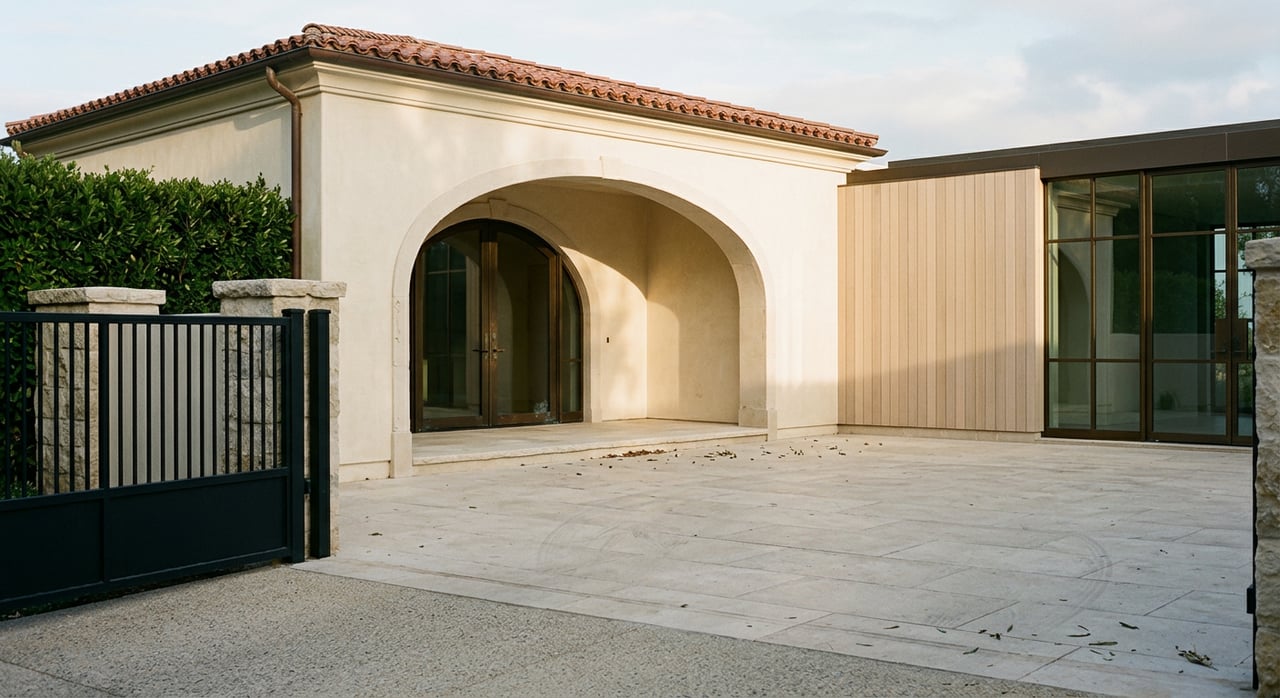
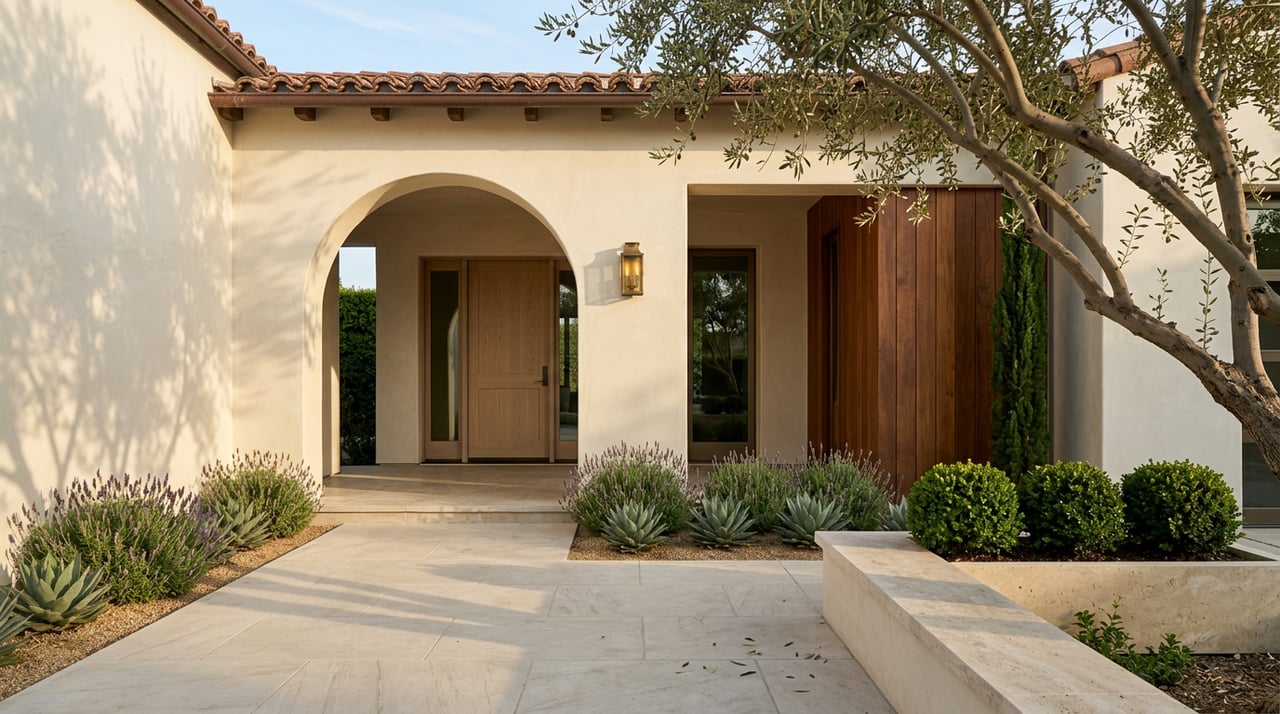
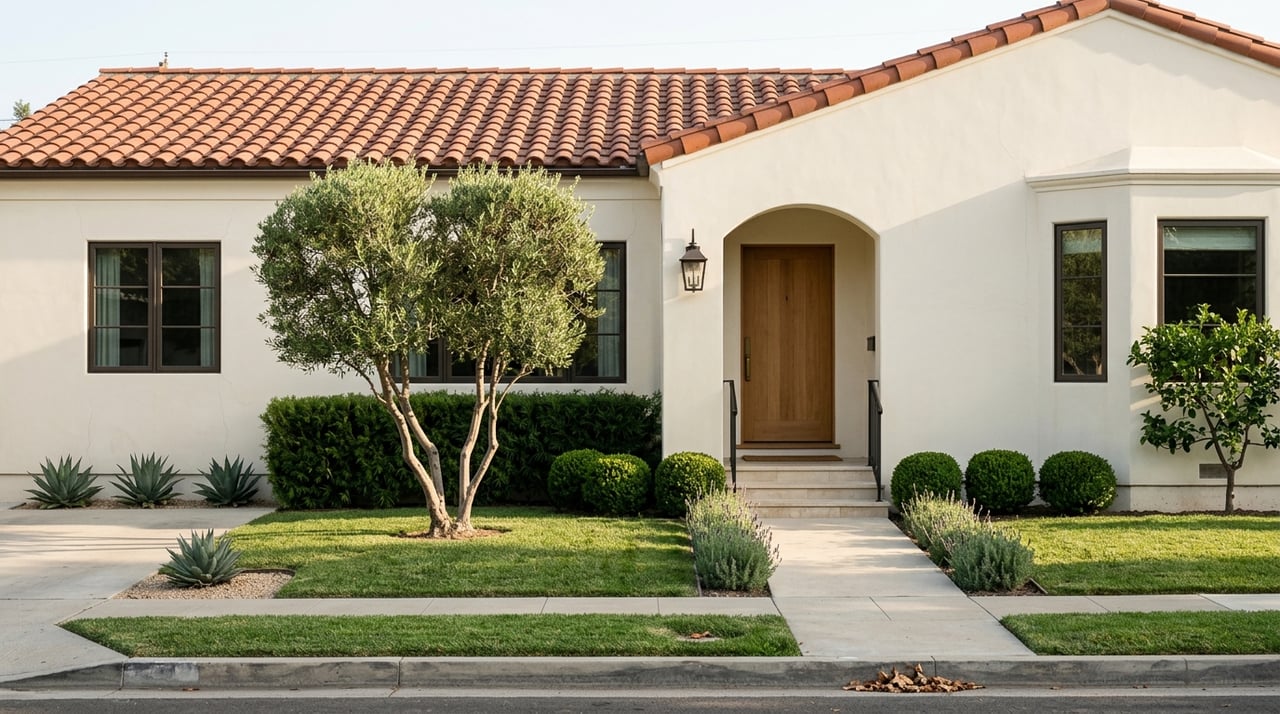
Smooth stucco, red clay tile roofs, arched loggias and wrought iron details define Southern California’s Mediterranean and Spanish Colonial Revival vocabulary. Courtyards and arcades create effortless indoor to outdoor flow that suits Holmby Hills gardens and pool-centered entertaining. Planning surveys note that these Revival forms are common in the broader Bel Air–Beverly Crest area that includes Holmby Hills, as documented in SurveyLA’s planning report.
Why it appeals: Warm materials and shaded outdoor rooms promote a relaxed yet elevated lifestyle. Many homes of this type feel gracious without being overly formal.
Look for steep slate-like roofs with dormers, limestone or stone cladding, and dramatic axial entries that recall Loire Valley châteaux. Holmby Hills’ most famous example is The Manor, often described as a French château-style estate. Its 2019 sale around $119.75 million set a local benchmark, as reported by the Los Angeles Times.
Why it appeals: Theatrical scale and classical ornament make a statement. These homes can carry higher construction and upkeep costs, which buyers should weigh against provenance and amenity depth.
Estate-scale Mid-Century homes in Holmby Hills favor open plans, walls of glass, long roof planes and strong indoor to outdoor connections. The Brody House by A. Quincy Jones is a celebrated local modernist example and has been widely covered for its design significance and market performance in the press, including the Architect’s Newspaper.
Why it appeals: Design-forward buyers prize original details and the calm of transparent, garden-connected spaces. Provenance can boost value, especially when a property retains authentic finishes and built-ins.
Some estates consolidate multiple parcels or push program to an exceptional scale, mixing historicist references with modern amenities like ballrooms, specialty wellness spaces and large guest wings. The Manor is again a touchstone here, illustrating both the appeal and the niche buyer pool for very large, amenity-rich homes as covered by the Los Angeles Times.
Why it appeals: Depth of amenities and presence at arrival. Buyers should account for operational and renovation costs and a smaller global audience at resale.
A prolific Los Angeles architect with several Westside commissions, Williams is associated with refined Revival work in and around Holmby Hills. For a concise overview of his residential portfolio and commissions, see the Paul R. Williams project compilation.
Known for Spanish Colonial and other Period Revival estates, Neff’s larger commissions and later French-influenced designs are frequently cited in City planning documents. City HCM reports reflect his impact on the region’s high-style residential fabric, as seen in staff documentation.
A leading figure in California modernism, Jones designed the Brody House in Holmby Hills. The home’s coverage highlights the neighborhood’s Mid-Century legacy and how design pedigree can shape market reception, as noted by the Architect’s Newspaper.
Holmby Hills has generated several headline transactions that tie architecture, lot size and provenance to record pricing. Two examples stand out. The Playboy Mansion’s reported $100 million sale in 2016 underscored the power of brand and uniqueness, documented by Time’s coverage. The Manor’s reported ~$119.75 million sale in 2019 further illustrates how a singular estate can set local records, as covered by the Los Angeles Times.
Beyond marquee sales, research indicates that architectural distinction and historic character tend not to depress values and can confer resilience or a premium over time. Reviews of hedonic studies in preservation economics support this conclusion, while noting that outcomes vary by market and parcel. For a summary of this research, see the literature review discussed by Taylor & Francis Online.
For your lifestyle, style choice sets the rhythm of daily living. Revival homes often offer formal entertaining rooms and garden courts that frame events and gatherings. Mid-Century plans emphasize transparency, light and movement between indoors and out, which can feel relaxed and gallery-like. Megamansions prioritize amenity clusters and guest capacity above all.
City planning surveys recognize Holmby Hills as a district with many individually significant resources across Period Revival and Mid-Century categories. That documentation supports informed decisions about renovations, additions and long-term stewardship. You can find an overview of the area’s architectural resources in the SurveyLA Bel Air–Beverly Crest report.
When notable properties face redevelopment or alteration, Los Angeles uses the Historic-Cultural Monument nomination process to evaluate significance. Staff reports and local alerts show how owners and the community navigate preservation questions and redevelopment pressure. For a window into how the City documents significance and evaluates resources, review a representative City Planning HCM staff report.
If you are planning work on a property, check current permits and any landmark status before you begin. Proper due diligence protects both your investment and the home’s architectural integrity.
Choosing the right architectural fit is both a lifestyle decision and a value strategy. If you are preparing to sell, a presentation-first plan that elevates architecture through design guidance, staging and polished marketing can make a measurable difference. If you are buying, curated insights and access matter in a low-velocity estate market. For tailored guidance on Holmby Hills, connect with Farhad Yasharpour to Request an Instant Home Valuation or Schedule a Private Consultation.
Stay up to date on the latest real estate trends.
Get assistance in determining current property value, crafting a competitive offer, writing and negotiating a contract, and much more. Call me today to schedule a private showing
15910 Ventura Blvd Ste 101 Encino, CA 91436